Modelado · for Windows
A photo becomes a 3D model you can turn, print and share.
One photo of an object gives a whole model with TripoSR, sides and back included; any photo gives a relief with Depth Anything V2. Smooth, simplify, fill holes and export to GLB, OBJ, PLY or STL. It all runs on your own PC, on the GPU when it has one.
What it makes
Two ways from a photo to a model
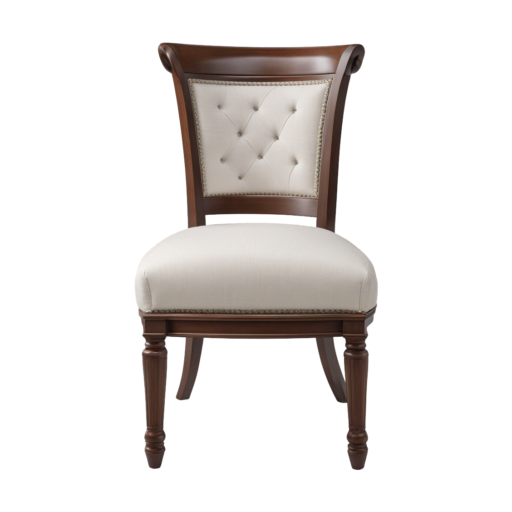
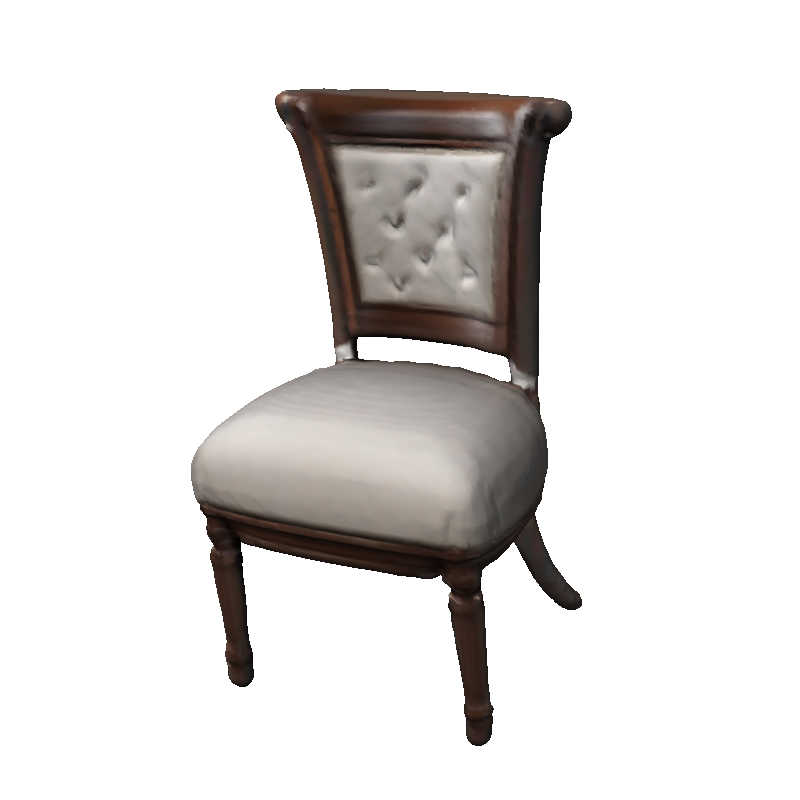
3D Object
A single, centred object on a plain background becomes a whole coloured mesh, its unseen sides inferred by TripoSR.
Relief
Each pixel's depth becomes height: a bas-relief textured with the photo, from faces, landscapes or buildings, with a solid base for printing.
Edit and export
Turn, mirror, smooth, simplify, subdivide, fill holes and flatten a base, every step undoable, then save it sized for a slicer or a game engine.
The studio
Every operation, on a real photo
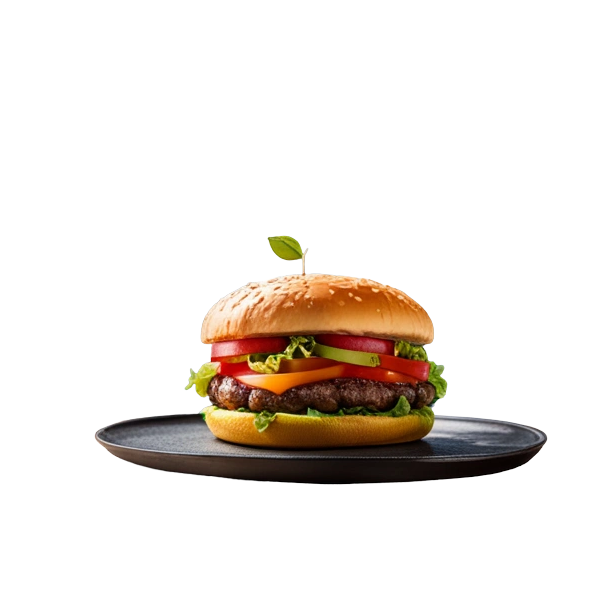
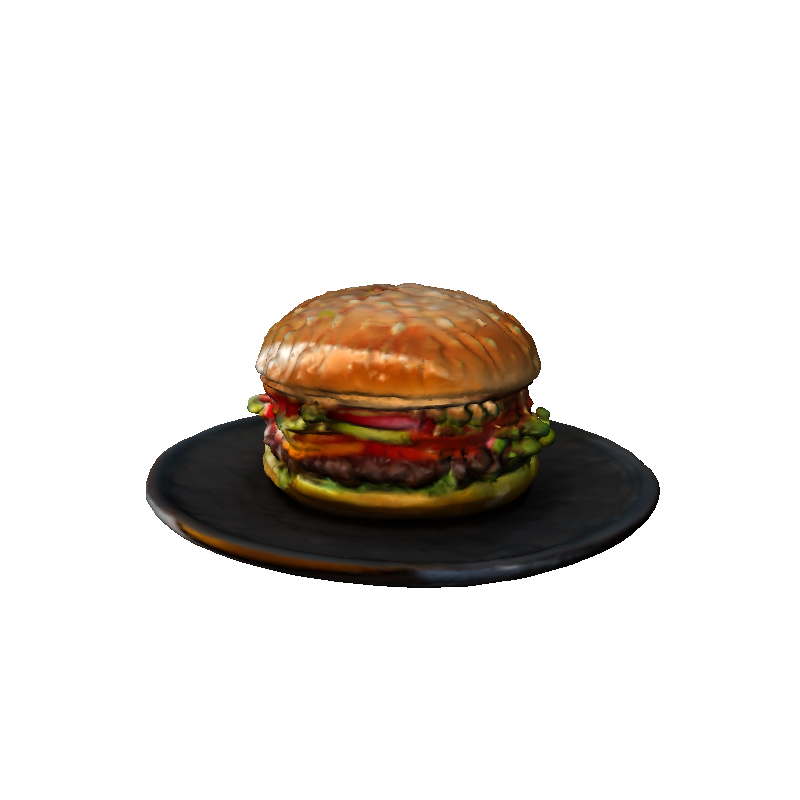
One photo of one object, on a plain background, becomes the whole object: TripoSR infers the sides and the back the photo never showed.
From photo to file
Four moves
Open a photo
PNG, JPEG, WEBP, BMP or GIF, dropped on the window or opened. A model to edit opens the same way: GLB, OBJ, PLY or STL.
Generate
A whole object with TripoSR, or a relief from the photo's depth. The first time, the window says what that operation downloads and how large it is, and waits for your yes.
Refine
Simplify, subdivide, smooth, fill holes, remove loose pieces, mirror, turn and flatten a base. Every step is a version in the history, and Undo goes back through them.
Export
GLB for Windows, Blender and the web, OBJ with its texture, PLY with colours, or STL sized in millimetres for a slicer.
Privacy
Your photo stays on your PC
Inference runs here
TripoSR, Depth Anything V2, U²-Net and Real-ESRGAN run in ONNX Runtime on this computer, on the GPU with DirectML or on the CPU.
Only the models are downloaded
Each model is fetched once from Hugging Face and checked against its SHA-256 before it is used. Nothing about your photos goes with it.
The cloud is opt-in
Meshy AI and Ideogram can be added in About with your own key. Nothing is sent to them until you agree to that one job, with what it costs.
Speed
Measured, not promised
On the CPU alone, 8 cores of an Intel Core i7-14700 with 8 GB of memory, the published models, a 512 px photo:
| 3D Object, default grid (256) | about 20 s |
|---|---|
| 3D Object, finer grid (320) | 25 to 32 s |
| Relief, default grid (256) | about 1 s |
| Simplify 150,000 triangles to 45,000 | under 1 s |
A GPU with DirectML takes the inference off the CPU; the status bar names the one in use.
The models
Open models, each under its own licence
What the app downloads, from the list this version carries. Each one is fetched the first time an operation needs it.
| triposr-encoder3D Object: reads the photo | 1675 MB | MIT |
|---|---|---|
| triposr-decoder3D Object: shapes the mesh | 0.2 MB | MIT |
| depth-anything-v2-smallRelief: the depth of each pixel | 99 MB | Apache-2.0 |
| u2netCuts the object out of the photo | 176 MB | Apache-2.0 (U-2-Net weights), MIT (rembg export) |
| realesrgan-x4plusSharpens a photo or a texture | 67 MB | BSD-3-Clause |
Download
Modelado for Windows 10 and 11
Free and open source, with no account. Once a day the app asks GitHub whether a newer release exists, sending only its name and version; About turns that off.
Each release lists its installer's SHA-256 in SHA256SUMS.